
Warts, caused by HPV, are common but can be persistent and unsightly. Over-the-counter remedies offer temporary fixes, while professional treatments like cryotherapy, laser, or surgical excision provide permanent removal for stubborn warts. Aftercare is crucial for healing and preventing reoccurrence, especially for elderly patients with reduced mobility. Seek specialized care in Sheffield for effective, safe wart removal.
- Understanding Warts: Causes and Types
- Common Wart Removal Methods
- Professional Treatments: Dermatologist's Choice
- At-Home Care Tips for Faster Healing
Understanding Warts: Causes and Types
Warts are common skin growths caused by the human papillomavirus (HPV). They can appear anywhere on the body but most often show up on the hands and feet. While they are usually harmless, warts can be unsightly and uncomfortable, leading many people to seek professional wart removal treatment. There are several types of warts, including common warts, plantar warts, genital warts, and flat warts, each with distinct characteristics and causes. Common warts, often appearing as small, rough bumps on the skin, are usually caused by HPV types 1 or 2. Plantar warts, in contrast, grow on the soles of the feet and can cause discomfort when walking or standing. Genital warts, transmitted through sexual contact, affect the genital areas and may require specialized treatment. Flat warts, typically small, smooth, and flesh-colored, often occur on the face and neck in children.
Treating persistent warts, especially in older adults, might require more aggressive methods as they can become ingrown or cause pain. A Cheltenham wart clinic, for instance, offers advanced treatments tailored to different wart types and severity levels. While over-the-counter remedies may provide temporary relief, professional interventions like cryotherapy, laser treatments, or surgical excision are often necessary for permanent removal, especially in the case of warts in the elderly where they can be more difficult to treat.
Common Wart Removal Methods
Professional Treatments: Dermatologist's Choice
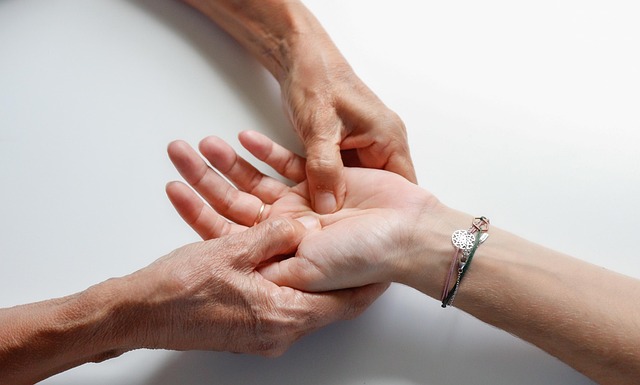
When it comes to professional wart removal treatment, dermatologists offer a range of advanced options tailored to different types and locations of warts. For stubborn or widespread warts, in-office procedures like cryotherapy (freezing), laser treatments, and surgical excision are often recommended. These methods provide more precise and effective outcomes compared to over-the-counter options.
In Sheffield or any other location, a private wart removal service can offer these professional treatments under the guidance of an experienced dermatologist. Targeted skin scrubbing, for instance, involves gently exfoliating the affected area to remove the outer layer of the wart, facilitating faster healing and reduced risk of reoccurrence. Such specialized care is particularly beneficial for the elderly or individuals with compromised immune systems, ensuring warts are treated safely and efficiently.
At-Home Care Tips for Faster Healing
After seeking a professional wart removal treatment like that offered at clinics in Kent, Gillingham, or elsewhere, proper aftercare is crucial to aid healing and prevent reoccurrence. At-home care plays a significant role in expediting the process. One effective tip is to maintain good hygiene by gently washing the treated area with mild soap and warm water, then patting it dry without rubbing.
Regularly cleaning the skin ensures no debris or bacteria accumulate, which could hinder healing. Additionally, avoid picking or scratching the wart, as this might introduce infections. While many over-the-counter creams and solutions are available, consulting a dermatologist is advisable for professional skin scrubbing for warts, especially in cases of persistent or sensitive skin. Special considerations for senior skin, such as reduced mobility or fragility, may also warrant tailored at-home care routines.
When it comes to effective wart removal, dermatologists offer both in-office and at-home solutions. While common methods like freezing or scraping may be accessible, professional treatments like laser therapy or prescription medications provide more specialized care. For faster healing and reduced risk of reinfection, combining at-home care with expert advice from a dermatologist can be the optimal approach to achieving clear, wart-free skin. Remember, seeking professional guidance for persistent or painful warts is always recommended for safe and efficient professional wart removal treatment.
As we enter 2026, advancements in dermatology have further refined wart removal techniques. One notable trend is the integration of advanced technologies like LED light therapy and radiofrequency ablation, offering more precise and minimally invasive options. Additionally, natural, plant-based remedies are gaining popularity due to their effectiveness and minimal side effects. For instance, essential oils like tea tree oil and lavender have shown promise in treating warts topically. These developments, combined with improved aftercare protocols, contribute to faster healing times and enhanced patient satisfaction. Natural Remedies for Fast Wart Removal & Prevention