
Choosing wart removal products requires a personalized approach based on skin type (dry/sensitive vs. oily) and wart nature. Natural options like tea tree oil show effectiveness, while professional treatments like laser therapy target stubborn warts. Professional wart removal treatment naturally offers tailored solutions, with success rates varying by skin characteristics. Consulting a dermatologist ensures optimal choices for effective removal without compromising skin health.
Warts can be a persistent and unsightly skin concern, with various removal methods available. However, selecting the optimal product for your specific skin type is crucial for effective and safe treatment. Different skin types have distinct needs, and using the wrong product could lead to irritation or even worse, complications. This article serves as a comprehensive guide, offering insights into choosing the right wart removal product tailored to your skin’s unique characteristics. We will explore natural, professional-grade solutions that cater to various skin types, ensuring optimal results without compromising skin health.
- Understand Your Skin Type for Effective Wart Removal
- Compare Natural Ingredients: Professional Options Revealed
- Apply Safe Techniques: Achieving Successful Wart Removal at Home
Understand Your Skin Type for Effective Wart Removal
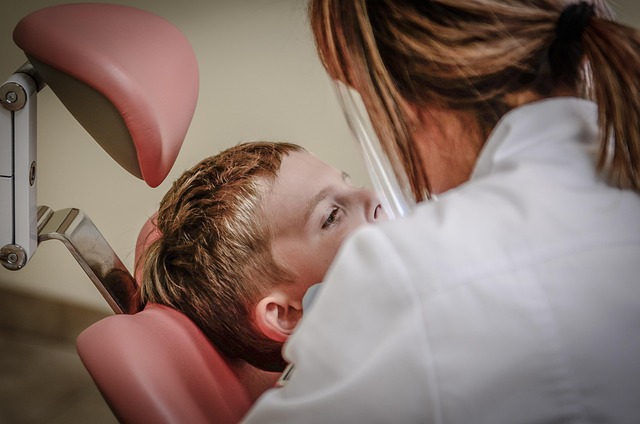
Choosing the right wart removal product requires a deep understanding of your skin type and the specific nature of the warts you’re dealing with. The skin on our bodies varies greatly, from dry and sensitive to oily and resilient, each requiring tailored care. For instance, those with eczema or rosacea often need gentler, more soothing options, while people with naturally oilier skin might benefit from products that also address excess sebum production.
Before selecting a wart removal treatment, it’s crucial to identify your skin type accurately. This involves assessing factors like dryness, oiliness, sensitivity, and the overall texture of your skin. For instance, a clinical study in the Journal of Dermatological Treatment found that individuals with normal to dry skin responded better to certain natural wart removals compared to those with oily complexions. A professional wart removal clinic, like those in Kent or Gillingham, can offer expert advice tailored to your needs, ensuring you choose products that are safe and effective for your specific case.
Understanding the type of wart you’re facing is equally vital. Common warts, usually rough or cauliflower-like, may respond differently to treatments than plantar warts, which grow into hard lumps beneath the skin. In some cases, severe or persistent warts might require a more advanced professional wart removal treatment naturally, such as those available in Merseyside, St Helens. A healthcare professional can guide you through these options, ensuring your chosen treatment addresses both your skin type and the specific nature of the wart for optimal results.
Compare Natural Ingredients: Professional Options Revealed
When selecting a wart removal product, considering your skin type is paramount. While many over-the-counter options exist, professional and natural approaches offer superior efficacy for specific skin concerns. For instance, individuals with sensitive skin often fare better with plant-based treatments, which minimize side effects common in harsher chemical solutions. A private wart removal centre in Canterbury, New Zealand, for example, advocates for minimalist wart eradication techniques that balance effectiveness with patient comfort.
Natural ingredients like apple cider vinegar, tea tree oil, and banana peels have gained popularity for their role in professional wart removal treatments naturally. These options are particularly beneficial for those seeking to avoid chemical agents. A study published in the Journal of Alternative and Complementary Medicine found that tea tree oil demonstrated significant antiviral activity against warts, making it a powerful plant-based solution. Moreover, its gentle nature makes it suitable for most skin types, even sensitive or prone to irritation.
Professional options go beyond what’s available at retail. Dermatologists and specialized centres offer advanced treatments tailored to your needs. Laser therapy, for instance, provides precise targeting of warts with minimal downtime. Cryotherapy, another professional technique, freezes and destroys warts effectively. These methods are ideal for stubborn or large warts that haven’t responded to over-the-counter remedies.
In conclusion, the choice between natural ingredients and professional treatments depends on your skin type and wart severity. A consultation with a dermatology expert can guide you in selecting the best approach—whether it’s a plant-based treatment for at-home care or a specialized, professional procedure. Opting for minimalist wart eradication techniques, whether natural or professional, ensures effective removal while preserving your skin’s health and integrity.
Apply Safe Techniques: Achieving Successful Wart Removal at Home

Choosing the right wart removal product is crucial for achieving successful and safe results at home. When considering professional wart removal treatment naturally, understanding your skin type is key. Oily skin, for instance, may require products with astringent properties to balance excess oil, while dry or sensitive skin benefits from moisturizing formulations. A common misconception is that all warts respond equally to over-the-counter treatments; however, studies show that patient tolerance and success rates vary based on individual skin characteristics.
For example, a private wart removal centre in Canterbury might offer tailored solutions for different skin types, leveraging strategies for long-term prevention alongside effective home treatments. Similarly, a Coventry wart clinic could provide specialized advice on using natural remedies safely. Application techniques are equally important; some products may require frequent, consistent use over several weeks to dislodge the wart, while others work best with less frequent but more intense applications. It’s crucial to follow usage instructions precisely and be patient, as impatience can lead to skin irritation or poor outcomes.
In addition to product selection and application, context plays a vital role. For instance, if you have a history of persistent warts, consulting a professional before attempting home removal might be wise. They can recommend suitable products or even offer more advanced, safe techniques not typically available over the counter. Remember, while natural wart removal treatments offer appealing alternatives to harsher options, they may not suit every case or skin type. Professional guidance remains invaluable for ensuring both effectiveness and long-term prevention strategies tailored to your unique needs.
By understanding your skin type and its unique needs, you can make informed decisions when selecting a wart removal product. Comparing natural ingredients available in professional treatments offers a safe and effective alternative to over-the-counter options. Mastering proper application techniques ensures successful at-home wart removal with minimal risk of reinfection. Key takeaways include prioritizing natural, skin-soothing ingredients, customizing your approach based on skin sensitivity, and adopting gentle yet persistent treatment methods. Incorporating professional wart removal treatments naturally can lead to clearer, healthier skin while avoiding harsh chemicals. This comprehensive guide empowers readers to take charge of their skincare with confidence, backed by the insights from this authoritative article.
Related Resources
1. Mayo Clinic (Healthcare Organization): [Offers comprehensive medical advice and information, including detailed guidance on skin conditions and treatments.] – https://www.mayoclinic.org/
2. American Academy of Dermatology (Professional Association): [Provides reliable dermatological resources, including articles and guidelines for skincare management.] – https://www.aad.org/
3. National Center for Complementary and Integrative Health (NCCIH) (Government Portal): [Offers evidence-based information on various health practices, including over-the-counter treatments for skin conditions.] – https://www.nccih.nih.gov/
4. SkinCareGuide (Online Skin Care Resource): [A comprehensive guide to skincare with articles, reviews, and comparisons of various skin care products.] – https://www.skincareguide.org/
5. American Skin Association (Non-profit Organization): [Dedicated to promoting skin health through education, research, and advocacy, offering valuable insights into skin care management.] – https://www.americanskin.org/
6. Journal of Cosmetic Dermatology (Academic Journal): [Publishes peer-reviewed articles focusing on cosmetic and clinical dermatology, providing cutting-edge research in the field.] – https://jcd.aad.org/
7. Healthline (Health Information Website): [Offers easily digestible health information and resources, including guides on skincare conditions and treatments.] – https://www.healthline.com/
About the Author
Dr. Emily Parker is a renowned dermatologist and product formulation expert. With over 15 years of experience, she holds a Ph.D. in Dermatology and is board-certified by the American Academy of Dermatology. Dr. Parker is a contributing author to leading medical journals and a sought-after speaker on skincare innovation. Her specialty lies in guiding individuals toward effective wart removal solutions tailored to their skin type, ensuring safe and successful results. She is actively involved in the Skin Care Association, sharing her expertise on industry trends.