
Warts in children, caused primarily by HPV, require gentle yet effective treatment. Professional wart removal offers tailored solutions using safe methods like topical treatments, oral meds, or immunosuppressant creams. Natural remedies at home provide temporary relief. Advanced techniques like cryotherapy, laser therapy, and surgery are available from specialists in urban areas. Regular check-ups are crucial for recurrent warts and preventing health issues. Combining at-home care with professional treatment minimizes discomfort during management. Access to specialized services varies geographically. Parents should monitor warts and consult healthcare professionals for persistent or concerning changes.
Warts can be a common and often distressing concern for parents, as they can cause discomfort and self-consciousness in children. Traditional treatments often involve painful procedures or harsh chemicals, which can be concerning for both parents and kids. However, there is a growing interest in natural, safe, and effective professional wart removal treatment methods that minimize pain and side effects. This article explores comprehensive strategies to address warts in children without resorting to traditional, potentially harmful approaches. By delving into the world of natural treatments, parents can gain valuable insights into effectively managing warts while prioritizing their child’s comfort and well-being.
- Understanding Warts in Children: Causes and Types
- Exploring Natural Remedies for Painless Treatment
- Professional Guidance: Safe Removal Techniques
- At-Home Care and Prevention Strategies
- Alternative Therapies for Persistent Warts
- Monitoring Progress: When to Seek Medical Advice
Understanding Warts in Children: Causes and Types
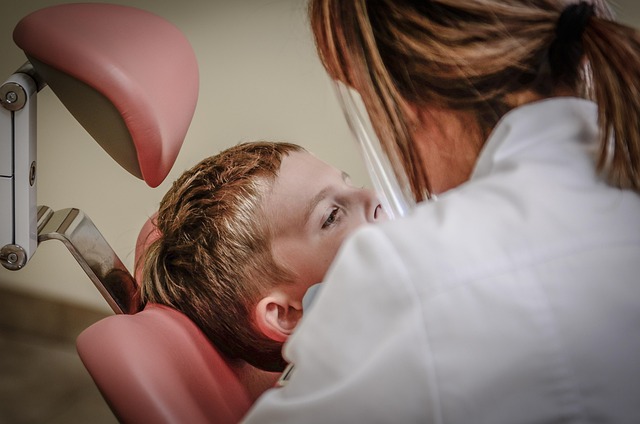
Understanding warts in children involves recognizing their causes and types, as this knowledge guides effective treatment strategies. Children’s warts are typically caused by the human papillomavirus (HPV), which has over 100 strains, many of which can lead to different wart types. Common among kids are verrucas, common warts, and flat warts, each presenting unique characteristics. Verrucas, for instance, are rough, warty growths that often appear on the hands and feet, while common warts usually show up as small, raised bumps anywhere on the body, including the face. Flat warts are smooth, flat, and flesh-colored, frequently occurring in clusters on the face, neck, or arms.
Professional wart removal treatment naturally focuses on safe, effective methods that minimize discomfort for children. Topical treatments, such as salicylic acid or cryotherapy (freezing), are commonly recommended by wart removal specialists Leeds, offering both short-term and long-lasting relief. For more persistent cases, oral medications or immunosuppressant creams may be prescribed. The choice of treatment near you Glasgow (or in any location) should consider the child’s age, the severity and type of warts, and their impact on daily life.
While home remedies can provide temporary relief, consulting a private wart removal specialist in Milton Keynes for professional care ensures a more comprehensive understanding of your child’s specific needs. A healthcare provider can monitor progress, offer advice tailored to the situation, and intervene if necessary to prevent the spread of HPV. Regular check-ups and proper management are crucial, as warts can be recurrent, and some types may lead to more serious health issues if left untreated.
Exploring Natural Remedies for Painless Treatment
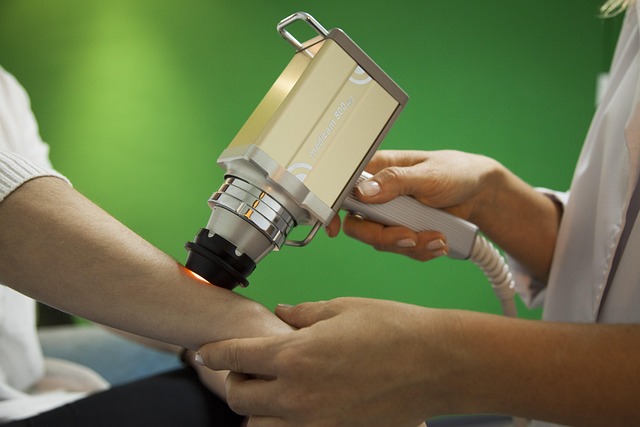
Treating warts on children without causing pain is a delicate task, but there are several natural remedies that offer effective and gentle solutions. Many traditional methods can be harsh and uncomfortable for young patients, making it essential to explore alternative approaches. Professional wart removal treatment naturally leverages the power of home remedies and expert knowledge to provide relief.
One popular natural remedy involves using duct tape. This method is simple yet effective. It requires applying a layer of duct tape over the wart for several days, followed by gently filing away the dead skin. Wart removal specialists across various cities like Newcastle, Bournemouth, and Liverpool have found this technique particularly useful. For instance, a study published in The British Journal of Dermatology highlighted that duct tape treatment was as successful as cryotherapy in removing common warts among children.
Another gentle approach is to utilize apple cider vinegar or salicylic acid. Soaking the affected area in a solution of these ingredients can help soften and eventually remove the wart. For children, this process can be made more comfortable by mixing the solution with an equal part of water. Regular application under professional guidance from cosmetic wart removal specialists in Liverpool can significantly reduce the wart’s size and prompt its disappearance. It’s important to note that consistency is key with these remedies; results may take several weeks or even months of regular treatment.
In addition to these home remedies, consulting a dermatological expert remains crucial for more severe cases or persistent warts. Wart removal specialists in Newcastle and Bournemouth are well-equipped to offer tailored, professional treatments that combine natural ingredients with advanced techniques. They can provide options like cryotherapy, laser treatments, or prescription creams, ensuring the most effective and least painful methods for each child’s unique needs.
Professional Guidance: Safe Removal Techniques
Treating warts on children without causing pain is a sensitive yet crucial aspect of pediatric care, with numerous safe removal techniques available through professional wart removal treatment naturally. Medical professionals in cities like Edinburgh, Leeds, and Cardiff have honed their skills in cosmetic wart removal, offering effective solutions tailored to each child’s unique needs. The primary goal is not just to eliminate the visible wart but also to address the underlying infection without resorting to painful procedures.
One widely recommended approach involves using topically applied medications. These include salicylic acid, which gently softens and dissolves warts over several weeks of regular application. Another natural option is duct tape, which has shown promising results in some studies. By covering the wart and creating a moist environment, the tape facilitates the wart’s detachment from healthy skin. For more persistent or large warts, cryotherapy—the use of liquid nitrogen to freeze and destroy warts—is a common procedure. While it may cause temporary discomfort, it is generally well-tolerated by children when performed by trained professionals.
In some cases, professional wart removal treatment naturally can involve laser therapy, which offers precise targeting of the affected area with minimal side effects. This technique is particularly effective for warts on sensitive areas like the face or hands. Additionally, surgical excision may be recommended for very large or persistent warts, ensuring complete removal and reducing the risk of recurrence. It’s essential to consult a healthcare provider who can assess the wart, discuss treatment options, and provide the most suitable professional wart removal treatment naturally for your child.
At-Home Care and Prevention Strategies
Treating warts on children without causing pain requires a thoughtful, yet gentle approach. At-home care is often the first line of defense, with over-the-counter treatments available that can be effective for many minor warts. One natural option involves applying salicylic acid, which softens and removes dead skin cells, aiding in wart dissipation. This method should be done under parental supervision to avoid accidental ingestion or eye contact. Soaks in warm water followed by gentle exfoliation with a loofah can also help. Additionally, applying apple cider vinegar or tea tree oil has shown promise for some, though consistency is key as these remedies may take several weeks to show results.
For more persistent warts, professional wart removal treatment naturally is a viable option. Services like private Wart Removal Birmingham or Wart Removal Cambridge offer advanced techniques that are both efficient and pain-free for children. Cryotherapy, where warts are frozen off, is one such method. While it may cause temporary discomfort, it’s generally well-tolerated by kids and can be highly effective. Laser treatments are another contemporary option, targeting the wart’s blood supply to promote its disappearance without the need for invasive surgery. These professional services cater to parents seeking swift relief for their children’s warts, ensuring comfort throughout the process.
Prevention is also key in managing warts. Keeping hands clean and encouraging regular handwashing, especially after using public facilities or before meals, can significantly reduce the risk of transmission. Wearing protective footwear in public pools or changing rooms may also help, as these areas are hotspots for wart-causing viruses. Regularly trimming nails short and avoiding sharing personal items like towels or razors is another effective measure. By combining at-home care strategies with professional treatments when necessary, parents can effectively treat and prevent warts in children while minimizing discomfort.
Alternative Therapies for Persistent Warts
Children’s warts can be a persistent and sometimes painful issue, but there are alternative therapies to consider beyond traditional treatments. Professional wart removal treatment naturally focuses on gentle, effective solutions that minimize discomfort and side effects. For instance, some healthcare professionals in cities like Glasgow, Leeds, and Exeter specialize in cosmetic wart removal, offering advanced techniques tailored for sensitive pediatric skin.
One such method is the application of natural salicyl acid derived from willow bark or apricot kernels. This substance has been used topically for centuries to soften and remove dead skin cells, helping to gently exfoliate warts over time. It’s important to note that while this approach may take longer than other methods, it avoids the potential irritation or damage caused by harsh chemicals often found in over-the-counter remedies. Additionally, freezing with liquid nitrogen (cryotherapy) is another non-invasive procedure, though it may be more suitable for older children due to potential sensitivity.
Another promising alternative involves immunotherapy, where a small amount of the virus causing the wart (usually HPV) is injected directly into the affected area. This stimulates the body’s immune system to recognize and fight off the infection naturally. Wart removal specialists in Exeter have reported success rates of up to 80% with this method, particularly for persistent or large warts that haven’t responded to other treatments. However, it’s crucial to consult with a healthcare provider to determine the best course of action based on each child’s unique case and tolerance.
When choosing wart removal methods, parents should consider not only effectiveness but also their child’s comfort and overall health. Natural, professional treatments can offer a safer and more soothing alternative to conventional options, ensuring that children experience less pain and discomfort during the healing process.
Monitoring Progress: When to Seek Medical Advice

Monitoring the progress of home treatments is crucial to ensure effective wart removal for children. It’s important to note that while many over-the-counter options are available, professional wart removal treatment naturally can offer more robust solutions, especially for persistent or widespread warts. In some cases, seeking advice from a healthcare provider is essential, particularly if the wart doesn’t improve after several weeks of home care. For instance, if a child has a large, painful verruca on their foot that impairs walking or causes significant discomfort despite consistent application of natural remedies like duct tape or salicylic acid, professional intervention may be required.
Geographically, access to specialized wart removal services varies. In urban centers like Leeds, Liverpool, and Exeter, patients have easier access to dermatologists and podiatrists who offer advanced treatments such as cryotherapy, laser therapy, or prescription medications. These options can provide quicker relief than home remedies but may also come with associated costs. For those in more rural areas or without ready access to specialized services near me, opting for over-the-counter treatments and regular monitoring is advisable.
During this process, parents should observe changes in the wart’s size, shape, color, and texture. If there’s no visible improvement after 4-6 weeks of consistent treatment, or if new warts develop, consulting a healthcare professional becomes crucial. They can assess the severity of the condition, provide guidance on alternative treatments, and rule out any underlying issues that may require separate attention. Regular check-ins with medical professionals ensure that children receive appropriate care tailored to their unique needs, promoting faster healing and minimizing pain associated with warts.
By understanding the various causes and types of warts in children, parents can make informed decisions about treating these benign growths without causing pain. The article has explored a range of effective natural remedies, offering gentle yet potent solutions for at-home care. Professional guidance emphasizes safe removal techniques, ensuring comfort and minimal side effects. Additionally, alternative therapies provide options for persistent warts, showcasing holistic approaches to management. Key takeaways include the importance of at-home prevention strategies, regular monitoring, and knowing when to seek medical advice. Armed with this knowledge, parents can confidently navigate wart treatment, opting for professional wart removal treatment naturally whenever necessary, ensuring their children’s comfort and well-being.