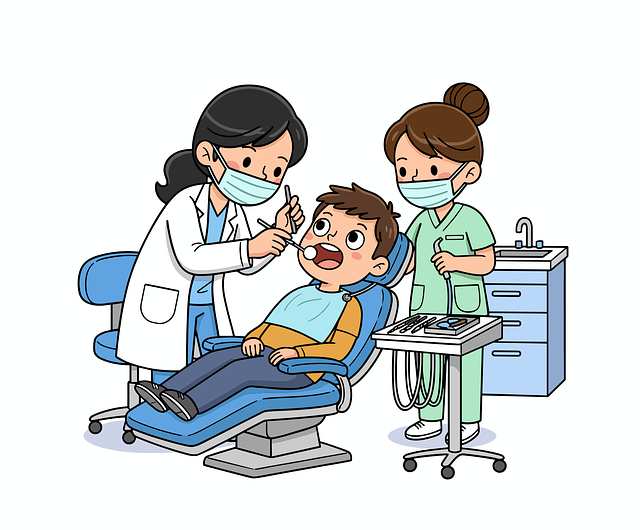
Plantar warts, caused by HPV, can be treated at specialized clinics offering professional wart removal treatments like laser and cryotherapy. These innovative methods target infected skin, providing fast relief from foot growths with minimal discomfort. Compared to over-the-counter creams, liquids used in clinics offer enhanced effectiveness, but carry side effects like irritation and blistering, requiring caution and professional guidance for optimal results and safety.
Plantar warts can be a persistent and painful issue, but understanding your treatment options is key to finding relief. This comprehensive guide delves into the world of plantar wart removal, focusing on two popular methods: cream-based treatments and liquid applications. Over-the-counter creams offer convenience, while professional liquid treatments provide stronger solutions. We explore their effectiveness, potential side effects, and help you choose the best course of action for a successful and comfortable recovery from these unsightly growths, with an emphasis on professional wart removal treatment options.
- Understanding Plantar Warts: Causes and Symptoms
- Over-the-Counter Creams for Wart Removal: Advantages
- Liquid Wart Treatments: Professional Options Explored
- Comparative Effectiveness: Cream vs. Liquid for Plantar Warts
- Side Effects and Considerations for Each Treatment Method
- Choosing the Right Professional Wart Removal Treatment
Understanding Plantar Warts: Causes and Symptoms

Plantar warts are a common skin condition that affects the feet, causing small, hard bumps to develop on the sole or sides of the foot. These warts are typically non-cancerous and may be painless, but they can also cause discomfort and distress. They are caused by the human papillomavirus (HPV), which infects the top layer of skin. The virus enters the body through small cuts or cracks in the skin, leading to the formation of these rough, wart-like growths.
Symptoms include visible warts on the feet, often described as small, hard lumps or bumps. They may be flesh-colored or slightly darker and can sometimes cause itching, burning, or pain, especially when standing or walking. While they are usually harmless, persistent or painful plantar warts may indicate a need for professional wart removal treatment, such as those offered at specialized clinics like private wart removal Canterbury. Innovative professional treatments with lasers or cryotherapy can provide effective solutions, targeting the infected skin without causing significant damage to surrounding healthy tissue.
Over-the-Counter Creams for Wart Removal: Advantages

Over-the-counter (OTC) creams offer a convenient and accessible option for those seeking a professional wart removal treatment at home. These topicals are designed to target and eliminate skin growths, including plantar warts, without requiring a prescription. One of the primary advantages is their ease of use; you can apply them directly to the affected area as directed by the product instructions. OTC creams often contain active ingredients like salicylic acid or lactic acid, which gently exfoliate the dead skin and encourage the growth of healthy new cells. This process helps to weaken and eventually remove the wart over several weeks of consistent application.
Additionally, these creams are generally well-tolerated by most users, making them a safer alternative for those who prefer to avoid surgical procedures or more intense treatments like cryotherapy. Many people appreciate the convenience of purchasing OTC wart removal creams at local pharmacies or retailers, eliminating the need for appointments and providing quick relief for minor skin concerns. Plant-based treatments for skin growths are also gaining popularity due to their gentle composition, making them suitable for individuals with sensitive skin. For instance, those in Essex Chelmsford seeking private wart removal can explore these OTC options as a first line of defense before considering more advanced treatments at specialized clinics like Canterbury Wart Clinic.
Liquid Wart Treatments: Professional Options Explored

When it comes to treating plantar warts, one of the primary options is liquid wart treatments, which offer a professional approach to removal. These solutions often contain potent chemicals like salicylic acid or podophyllotoxin that work by dissolving away the affected skin. Many over-the-counter options are available, but for more severe cases or faster results, consulting with a professional wart removal clinic becomes crucial.
Specialized clinics offer advanced treatments such as cryotherapy (freezing with liquid nitrogen) and even ultraviolet light for wart removal. These professional services are designed to target and eliminate warts effectively while minimizing discomfort. For instance, a working wart clinic in Liverpool could provide tailored solutions, ensuring fast relief from these unsightly growths on the feet.
Comparative Effectiveness: Cream vs. Liquid for Plantar Warts

When it comes to tackling plantar warts, both cream and liquid treatments have their merits. While over-the-counter creams are a popular choice for their accessibility and ease of use, professional wart removal treatments, like those offered in Essex (Southend-on-Sea), private clinics in London, or specialized centers in Kent (Gillingham), often boast enhanced effectiveness. These professional options typically contain more potent ingredients that can penetrate the skin deeper, targeting the root of the wart and promoting faster clearance.
A key advantage of liquid treatments, such as those used in clinical settings, is their ability to precisely target the affected area. Healthcare professionals can apply these liquids with greater accuracy, minimizing exposure to healthy skin and reducing potential side effects. This targeted approach often leads to quicker results compared to creams, making professional wart removal a preferred choice for stubborn or widespread plantar warts.
Side Effects and Considerations for Each Treatment Method

When considering a professional wart removal treatment, whether using cream or liquid, it’s crucial to be aware of potential side effects and considerations unique to each method. Wart removal creams are generally considered safer and more gentle on the skin due to their over-the-counter availability and lower concentration of active ingredients. However, they may cause mild irritation, redness, or itching at the application site. Some users also report experiencing dry, flaky skin around the wart after prolonged use.
On the other hand, liquid wart removal solutions, often containing stronger acids like salicylic acid or podophyllotoxin, can be more effective but come with increased risks. These liquids might cause more significant skin irritation, blistering, or peeling. They should be used cautiously, strictly following the instructions provided, and are best left to professional applications in cities like Chelmsford, Bradford, or Blackpool where specialized treatments are available. For both methods, monitoring for any adverse reactions is essential, and if severe symptoms arise, medical attention should be sought immediately.
Choosing the Right Professional Wart Removal Treatment
When considering your options for removing plantar warts, it’s crucial to understand that different approaches cater to various needs and preferences. While over-the-counter creams offer convenience and relative simplicity, they might not always be as effective as a professional wart removal treatment. Many dermatology clinics now provide advanced treatments tailored to address stubborn or widespread warts more efficiently.
Choosing the right professional wart removal treatment involves considering factors like the size, number, and location of the warts, as well as your overall health and comfort level. Professionals like dermatologists in Rotherham can employ a range of techniques, from cryotherapy (freezing) to laser treatments or surgical excision, ensuring optimal results while maintaining stringent hygiene practices in clinical settings. Moreover, for cases where topical treatments have proven ineffective, systemic treatments for warts might be recommended as a more aggressive approach to eliminate the condition.
When it comes to treating plantar warts, both over-the-counter creams and liquid treatments offer viable options. However, in cases where warts are persistent or causing significant discomfort, a professional wart removal treatment may be the best course of action. Liquid treatments, though more invasive, often provide quicker results than topical creams. Understanding the advantages and potential side effects of each method is key to making an informed decision. Ultimately, consulting with a healthcare professional can help determine the most effective and safe approach for removing plantar warts once and for all.