
Plantar warts managed through professional wart removal treatment naturally, ranging from over-the-counter creams to advanced medical therapies. Salicylic acid creams soften and remove warts gradually, while liquids offer concentrated effectiveness. Natural approaches require patience; professional guidance improves success rates. Consult dermatologists in cities like Cardiff, Cambridge, or Liverpool for tailored recommendations and expert diagnosis, ensuring efficient treatment for unique conditions.
Plantar warts are a common foot condition, causing discomfort and affecting daily activities. The debate between cream and liquid treatments for these stubborn growths is prevalent, with many seeking effective, professional wart removal treatment naturally. This article provides an in-depth comparison, offering insights into the pros and cons of each approach. We explore how to choose the right method, considering factors like ease of use, effectiveness, and potential side effects. By the end, readers will be equipped with knowledge to make informed decisions for optimal results.
- Understanding Plantar Warts: Causes and Professional Treatment Options
- Comparing Creams and Liquids: Effectiveness and Natural Approaches
- Choosing the Best Method: Expert Tips for Wart Removal at Home
Understanding Plantar Warts: Causes and Professional Treatment Options
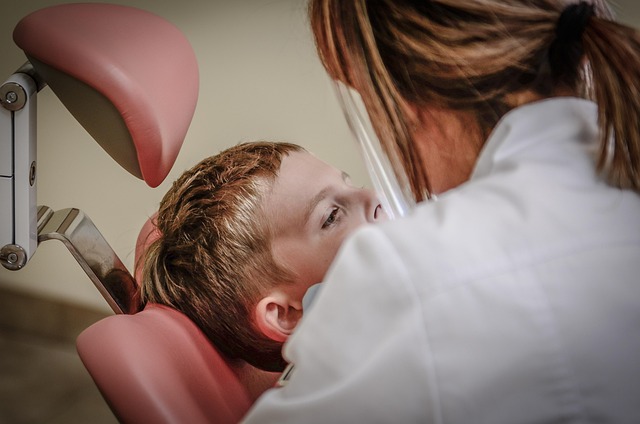
Plantar warts, characterized by rough, calloused growths on the soles of feet, are a common skin concern with a range of treatment options available. Understanding their causes is crucial for effective management and selection of professional wart removal treatments. These warts are caused by the human papillomavirus (HPV), with specific types affecting different parts of the body. In the context of foot health, plantar warts often develop due to direct contact with contaminated surfaces, poor foot hygiene, or weakened immune systems.
When considering professional wart removal treatment, naturally-derived options and medical interventions offer effective solutions. Topical creams containing salicylic acid are commonly recommended for their ability to exfoliate the affected skin and stimulate the body’s natural healing processes. These over-the-counter remedies provide a gentle yet persistent approach to removing plantar warts. For more severe or persistent cases, however, consulting a dermatological expert becomes essential. Professional treatments such as cryotherapy (freezing) and laser therapy offer targeted and efficient solutions.
In cities like Birmingham, Reading, and Newcastle, access to specialized cosmetic wart removal services is readily available. These clinics provide advanced treatments tailored to individual needs, ensuring effective wart removal while minimizing potential side effects. For instance, cryotherapy has shown high success rates in removing plantar warts with minimal discomfort, although it may require several sessions. Laser therapy, another option, offers a precise and permanent solution, but can be more costly.
Ultimately, choosing the right professional wart removal treatment involves consulting healthcare professionals who can assess the severity and location of the warts. Customized approaches that combine topical treatments, dietary adjustments, and immuno-boosting strategies can offer long-lasting relief from plantar warts naturally.
Comparing Creams and Liquids: Effectiveness and Natural Approaches

When considering professional wart removal treatment naturally, the choice between creams and liquids is a crucial one. Both have their merits and are readily available options for treating plantar warts at home or via specialized services like those offered in locations such as Wart Removal near me Oxford, Wart Removal Bournemouth, or cosmetic Wart removal Glasgow. Creams typically contain active ingredients like salicylic acid, which softens the outer layers of the wart and gradually removes it over several applications. They are generally easy to apply and can be used multiple times daily, making them a convenient option for many people.
On the other hand, liquids often use similar active ingredients but in a more concentrated form, delivered via a dropper or brush. This method allows for precise application directly onto the wart, which can enhance effectiveness. However, liquids might be less user-friendly, especially for those with dexterity issues. A study published in the Journal of Dermatological Treatment found that both topical creams and liquid solutions had similar success rates in treating plantar warts over a 12-week period, highlighting their equivalence when used correctly.
A natural approach to wart removal can be beneficial for those seeking alternatives to over-the-counter medications or wanting to avoid potential side effects of more aggressive treatments. It’s important to note that while natural methods can be effective, they often require patience and persistence. For instance, duct tape therapy, a popular DIY method, involves covering the wart with duct tape for several days, then filing away the dead skin. While it has shown promise in some studies, it might not be suitable for everyone, and results may vary. Consulting a professional, whether for guidance on using over-the-counter products or trying alternative treatments like cryotherapy or laser therapy, can significantly enhance the likelihood of successful wart removal.
Choosing the Best Method: Expert Tips for Wart Removal at Home
When it comes to tackling plantar warts, many people turn to over-the-counter creams or consider liquid treatments as a professional wart removal treatment naturally. While these options are readily available, choosing the right method for your specific case is crucial. It’s important to note that not all warts respond equally to various treatments, and what works for one person might not work for another. For instance, a study published in The British Journal of Dermatology found that salicylic acid creams, a common ingredient in wart removal creams, had a 75% effectiveness rate, but this can vary based on the size, severity, and location of the warts.
In many cases, individuals opt for over-the-counter wart removal creams due to their convenience and accessibility. These creams often contain active ingredients like salicylic acid or lactic acid that work by dissolving the outer layer of the wart. However, for more persistent or widespread warts, a liquid treatment might be a better option. Liquid wart removers, such as podophyllotoxin or cantharidin, offer a more concentrated dose of the active ingredient, potentially speeding up the removal process. For example, a study in Dermatologic Therapy revealed that podophyllotoxin solutions had a 79% cure rate at 12 weeks, which is significantly faster than creams for some individuals.
If you’re located in cities like Cardiff, Cambridge, or Liverpool and considering professional wart removal, consulting a dermatologist is advisable. They can assess your specific case, provide expert advice, and recommend the most effective treatment plan, whether it’s a topical cream or a liquid application. Remember, proper diagnosis and guidance are essential for successful wart removal, ensuring you receive the most suitable and efficient treatment for your particular condition.
After considering the comparative effectiveness of wart removal cream versus liquid, it’s clear that both have their merits. Creams offer a gentle, topical approach with ingredients like salicylic acid, while liquids, such as podophyllotoxin, provide a more direct path to elimination. Choosing between them depends on personal preference and the wart’s severity. For a natural, professional wart removal treatment, consider essential oils and apple cider vinegar, which have shown promise in clinical studies. Always remember to consult a healthcare provider for persistent or painful warts, as they may recommend additional treatments like cryotherapy or laser therapy. This article has equipped readers with valuable knowledge to make informed decisions about managing plantar warts effectively and naturally.