
Warts caused by HPV are common on hands, feet, and genital areas. Public spaces like gyms and pools pose higher transmission risks due to skin-to-skin contact and shared equipment. Regular professional wart removal treatments significantly reduce transmission risk in high-risk environments. The NHS recommends consulting a healthcare professional for persistent or unusual warts. Proper hygiene practices, including handwashing and surface disinfection, are crucial for prevention. Professional treatments offer effective solutions with minimal scarring, accessible in cities like Glasgow, Bristol, and Reading. Regular check-ups are vital for successful long-term management, especially for those at higher risk.
Warts, particularly common in public spaces like pools, gyms, and parks, pose a persistent health concern. Their contagious nature necessitates proactive measures to prevent their spread. This article delves into effective strategies for curtailing the transmission of warts, emphasizing professional wart removal treatment naturally as a key component. We’ll explore environmental hygiene, proper foot care, and evidence-based remedies, providing practical insights grounded in medical expertise to empower individuals in maintaining healthy environments.
- Understanding Warts: Causes & Common Areas
- Public Place Safety: Precautions & Prevention
- Professional Wart Removal Treatment Naturally
- Proper Hygiene: Handwashing & Disinfection
- Avoiding Contact: Tips for Social Settings
- When to Seek Medical Help: Persistent Cases
Understanding Warts: Causes & Common Areas
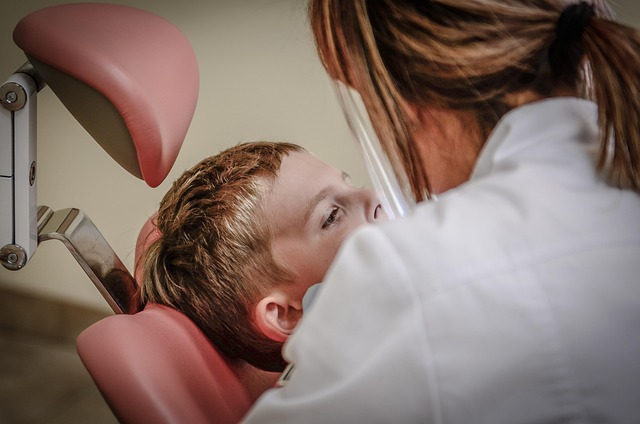
Understanding warts is a crucial step in preventing their spread in public places. Warts are skin growths caused by the human papillomavirus (HPV), with various types affecting different areas of the body. Common warts often appear on the hands and feet, while genital warts are found in intimate areas. Public spaces like gyms, pools, and locker rooms pose higher risks due to direct skin-to-skin contact and shared equipment.
The back of the hands, fingers, feet, and legs are particularly vulnerable in public settings. These areas often come into contact with contaminated surfaces or objects. For instance, a study by the Journal of Infectious Diseases found that warts can persist on surfaces for up to several weeks, increasing the likelihood of transmission. This underscores the importance of maintaining good hygiene practices, such as washing hands frequently and avoiding direct contact with apparent warts on others.
Professional wart removal treatments naturally offer effective solutions. Specialized clinics like those providing wart removal specialists Leicester and wart removal near me Exeter can address these concerns discreetly and safely. Private wart removal Exeter services ensure personalized care tailored to individual needs. Regular professional treatments can significantly reduce the risk of wart transmission, especially in high-risk public environments.
Additionally, education and awareness play a pivotal role. Encouraging people to seek expert advice for persistent or unusual warts can help prevent their spread. The UK’s National Health Service (NHS) recommends consulting a healthcare professional if warts cause discomfort or persist beyond several weeks. This proactive approach, coupled with proper hygiene and targeted treatments, is key to minimizing the impact of warts in public places.
Public Place Safety: Precautions & Prevention
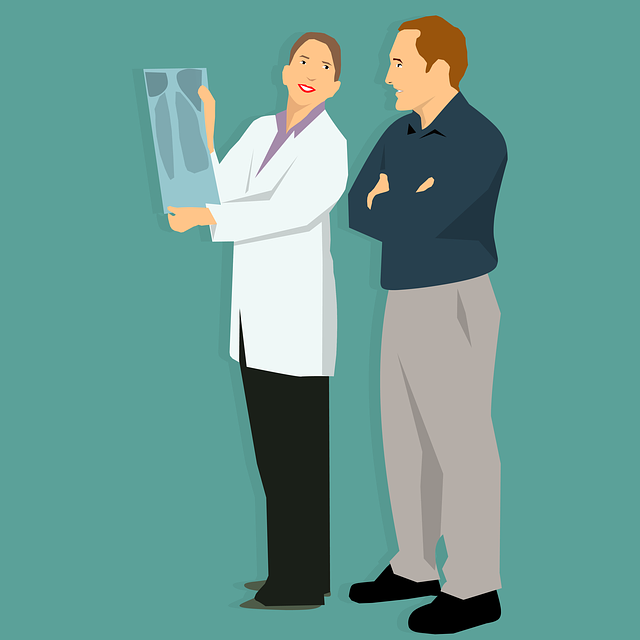
Preventing the spread of warts in public places is a crucial aspect of maintaining hygiene and safeguarding others from this common yet potentially unsightly condition. Since warts can be contracted through direct contact with infected individuals or contaminated surfaces, understanding public place safety measures is essential. When considering wart removal near me Bournemouth, Reading, or Cardiff, it’s not just about eliminating the visible growths but also ensuring a comprehensive approach to prevention.
In crowded areas like public transport hubs, shopping centers, and schools, warts can easily be transmitted. For instance, sharing personal items such as towels, socks, or shoes can facilitate the spread of the human papillomavirus (HPV), which causes warts. Additionally, high-touch surfaces in public spaces, like door handles and elevator buttons, can harbor the virus for extended periods, increasing the risk of infection. To mitigate this risk, individuals should practice good hand hygiene by regularly washing their hands with soap and water or using hand sanitizers, especially after touching shared surfaces or before engaging in activities that require close contact.
Professional wart removal treatment naturally offers advanced solutions for managing warts effectively while minimizing transmission risks. These treatments often involve targeted therapies that can swiftly eliminate warts while reducing the likelihood of recurrence. Moreover, seeking expert advice from specialized clinics, such as those offering private wart removal Reading or Cardiff services, ensures access to evidence-based practices and personalized care. By combining professional interventions with prudent public place safety precautions, individuals can proactively manage warts, contributing to a healthier and more comfortable environment for everyone.
Professional Wart Removal Treatment Naturally

Preventing the spread of warts in public places is a crucial aspect of maintaining skin health, especially considering the prevalence of contagious skin conditions like verrucae (warts). For those seeking effective yet natural solutions, exploring professional wart removal treatments offers a promising avenue. This approach not only addresses the physical presence of warts but also prioritizes safety and minimal interference with one’s well-being.
In cities like Glasgow, Milton Keynes, and Oxford, where cosmetic concern meets practical health management, specialized services cater to diverse needs. Wart removal specialists in these areas employ a range of natural techniques, from topical treatments to targeted laser therapies. For instance, salicylic acid, a common ingredient in over-the-counter wart removers, can be used under professional guidance for more severe cases. This approach ensures optimal efficacy while minimizing the risk of skin irritation or damage often associated with at-home remedies.
Moreover, understanding the transmission routes of warts is key to prevention. Public spaces, such as swimming pools, gyms, and schools, serve as breeding grounds due to skin-to-skin contact and shared equipment. Regularly sanitizing affected areas and wearing protective gear can significantly reduce the likelihood of contracting or spreading warts. Consulting with a wart removal specialist in these regions can provide tailored advice, ensuring individuals not only rid themselves of existing warts but also gain knowledge to prevent future occurrences.
Proper Hygiene: Handwashing & Disinfection

Maintaining proper hygiene is a cornerstone in preventing the spread of warts, particularly in public spaces. Handwashing is a simple yet effective measure. Viruses that cause warts are typically transmitted through direct contact, so frequent and thorough hand cleansing with soap and water can significantly reduce the risk. It’s advisable to wash hands before meals, after using the restroom, or after touching common surfaces in public areas. Disinfection plays a parallel role, especially when access to running water is limited. Using alcohol-based hand sanitizers or wipes effectively kills the viruses on the skin’s surface, offering protection even when hands are not visibly dirty.
In high-traffic zones like schools, gyms, and public transportation hubs, regularly disinfected surfaces can make a substantial difference. Public facilities should implement rigorous cleaning protocols, focusing on commonly touched areas such as doorknobs, light switches, and handrails. This proactive approach not only curbs the spread of warts but also other infectious diseases. For instance, a study conducted in several UK cities found that regular disinfection of public transport handles during flu seasons led to notable reductions in viral transmission.
If warts do develop, seeking professional wart removal treatment naturally is a prudent step. Wart removal specialists in Bristol and Leeds, for example, offer advanced techniques tailored to different wart types. These treatments can range from topical medications to surgical excision, with the goal of safely and effectively removing the wart while minimizing scarring. While over-the-counter options exist, professional guidance ensures that the chosen method aligns with the specific type and severity of the wart, enhancing the likelihood of success and reducing the risk of complications.
Avoiding Contact: Tips for Social Settings
In public settings, such as schools, gyms, or community centers, preventing the spread of warts is a shared responsibility. The primary method for avoiding contact involves promoting good hygiene practices and encouraging individuals to exercise caution when in close proximity to others. It’s crucial to remember that warts can be transmitted through direct skin-to-skin contact or by touching contaminated surfaces. Therefore, keeping hands clean and steering clear of personal items belonging to others are essential precautions. For instance, sharing towels, shoes, or sports equipment without proper sanitization can facilitate the spread of the human papillomavirus (HPV), which causes warts.
In social situations, maintaining a safe distance when conversing with individuals who have visible warts is wise. This simple act of avoidance significantly reduces the risk of accidental transmission. Moreover, if you notice someone scratching or touching their warts frequently, it’s best to refrain from close interaction until the issue is addressed. Professional wart removal treatment naturally has proven effective for many, offering a comfortable alternative to conventional methods. Private wart removal services in cities like Glasgow, Bristol, and Reading are easily accessible, providing discreet and specialized care tailored to each patient’s needs.
For parents concerned about warts among their children, regular monitoring of school or daycare environments is advisable. Many institutions now prioritize hygiene practices and have implemented policies to minimize the spread of infections, including warts. Additionally, educating children about personal hygiene, such as washing hands thoroughly after using shared facilities, can empower them to take proactive steps in preventing the contraction of warts. By combining these precautions with timely professional interventions like those available at private wart removal centers in the aforementioned locations, the risk of widespread transmission can be substantially mitigated.
When to Seek Medical Help: Persistent Cases
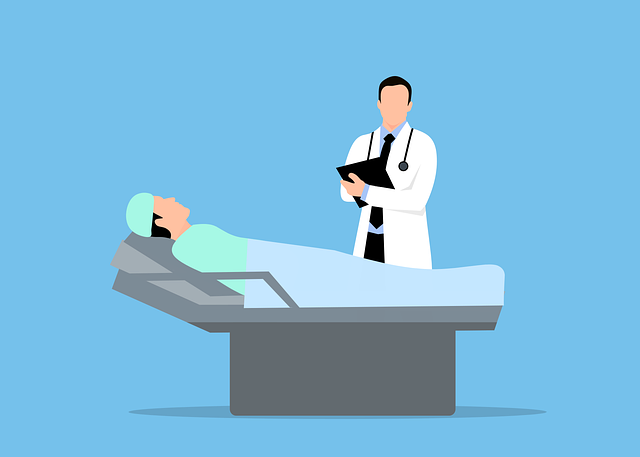
In cases where warts persist despite at-home care, it is crucial to seek professional medical advice for effective wart removal treatment naturally. While many over-the-counter options are available, stubborn warts may require specialized attention to prevent further spread in public places like schools, gyms, and workplaces. Delving into the world of cosmetic wart removal, such as that offered at clinics near Oxford, Edinburgh, or Exeter, can provide advanced solutions tailored to individual needs.
Professional health practitioners have access to a range of tools and techniques beyond conventional remedies. For instance, cryotherapy uses liquid nitrogen to freeze and destroy warts, while surgical excision involves carefully removing the wart and surrounding skin. Laser treatments offer precision targeting, minimizing damage to healthy skin. These advanced methods are particularly beneficial for areas like hands and feet where warts can be unsightly and uncomfortable.
The decision to pursue professional wart removal should be based on several factors. First, if over-the-counter treatments have not shown significant improvement after 2-3 months. Second, warts that bleed easily or cause pain indicate a need for more specialized care. Finally, individuals with weakened immune systems, such as those with diabetes or HIV, should consult professionals to prevent complications. Regular check-ups are essential, especially in public settings, to ensure the warts do not reoccur and spread to others.
By understanding the causes and common areas of warts, implementing robust public place safety precautions, and adopting proper hygiene practices like handwashing and disinfection, individuals can significantly prevent the spread of warts in public settings. Additionally, recognizing when to seek medical help for persistent cases is crucial. Among the strategies discussed, professional wart removal treatment naturally stands out as an effective approach, offering a safe and gentle alternative to conventional methods. By synthesizing these key insights, readers are empowered to protect themselves and others, ensuring a healthier environment in public spaces.